

Automotive Electronics: Suzhou Menhow Empowers a Top 10 Force Sensing Resistor Enterprise with ISO16949
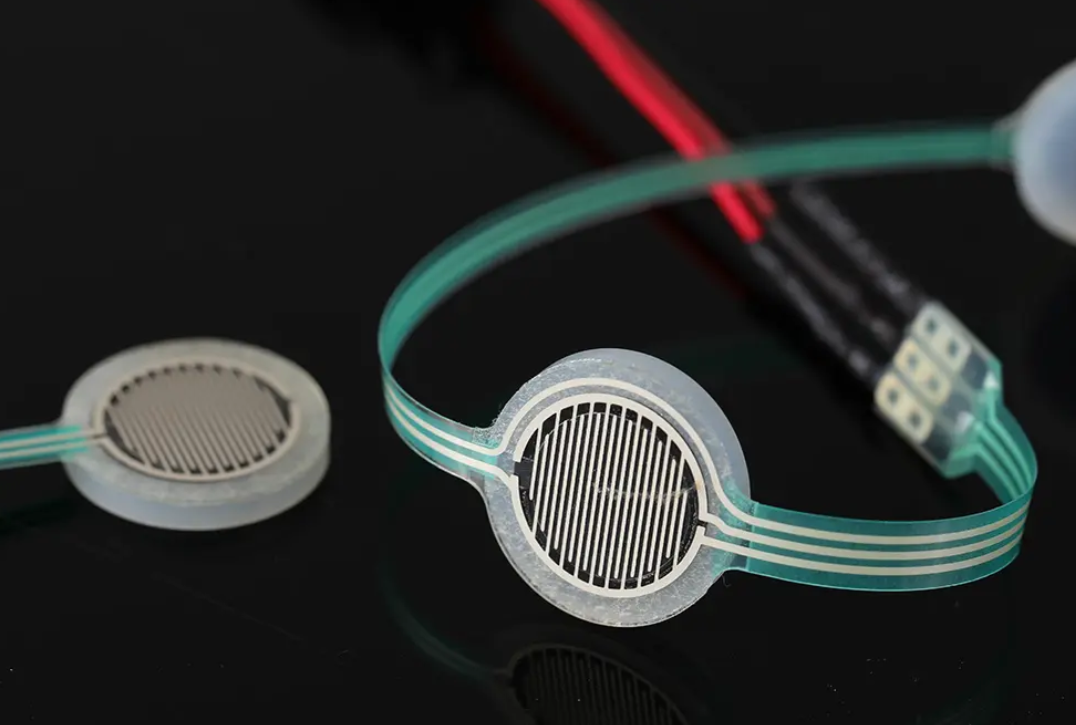
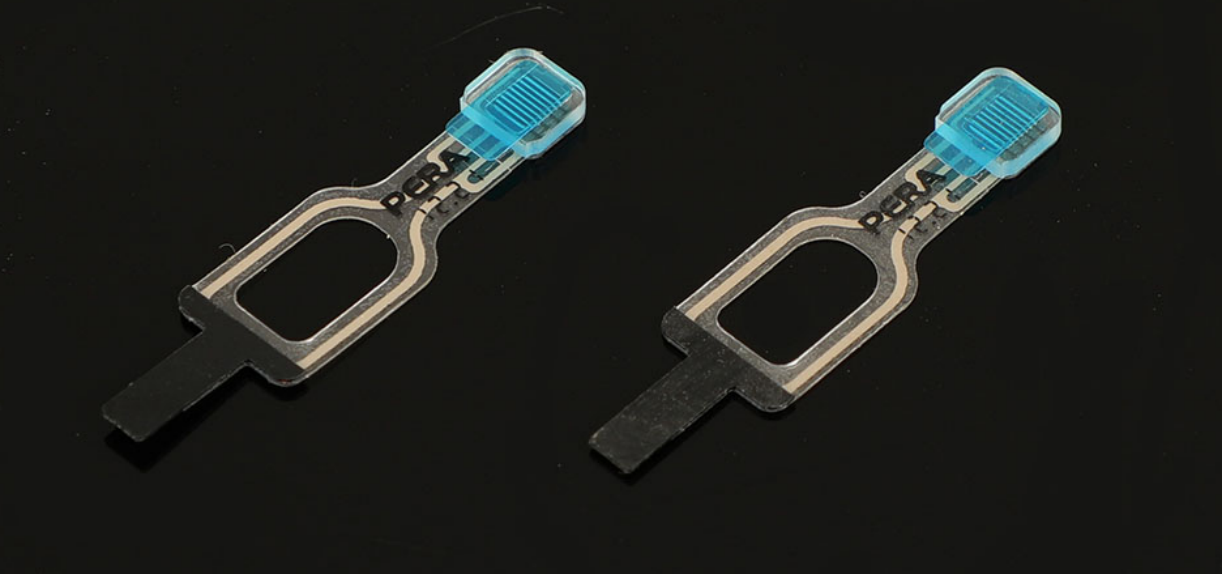
Modern automotive cabin designs place a strong emphasis on sleek ergonomics, hidden controls, and intuitive human-machine interfaces. In new energy vehicles, traditional mechanical buttons increasingly give way to seamless, flat surfaces that require intelligent touch confirmation. This design paradigm relies heavily on ultra-thin, flexible pressure sensors capable of hiding beneath leather, fabrics, or rigid plastics. Key interior applications include occupant classification systems in seats to regulate airbag deployment, steering wheel hands-on detection for advanced driver-assistance systems, and force-activated touch panels that prevent accidental triggers.
For tier 1 automotive suppliers and vehicle brands, sourcing these components requires manufacturing partners that possess deep material expertise and strict quality management credentials. Suzhou Menhow Electronic Co., Ltd. serves as an original design manufacturer of custom printed force sensing resistor systems, filling a crucial role in this specialized supply chain. By achieving rigorous compliance frameworks, the company elevates production standards for complex components. Notably, a collaborative milestone highlights how Suzhou Menhow empowers a top 10 force sensing resistor enterprise with ISO16949 quality management protocols, establishing a highly reliable manufacturing standard for automotive-grade flexible electronics.
Engineering Architecture of Custom Printed Force Sensing Resistor Technology
The functionality and deployment of a custom printed force sensing resistor relies on a precisely engineered, multi-layered thin-film architecture and highly adaptable performance specifications. This structural configuration is defined by the following key technical dimensions:
Multi-Layered Structural Composition
The standard device structure utilizes premium polyethylene terephthalate film as the top and bottom substrate layers. These substrates enclose a sequence of functional materials, including a silver paste conductive layer that forms the circuit traces and a piezoresistive layer formulated from specialized carbon-based conductive inks. A precisely die-cut spacer layer dictates the air gap between the conductive elements, defining the initial actuation threshold. The entire assembly is sealed using high-performance adhesive layers and protected by a durable release liner prior to final installation, enabling the sensor to adhere seamlessly to highly contoured or irregular geometric shapes within the vehicle interior.
Customizable Technical Performance Metrics
Technical performance parameters are calibrated to meet stringent automotive requirements. The actuation trigger force can be adjusted within a broad operational range spanning from 10 grams to 500 kilograms. The flexible sensor matrix exhibits excellent fatigue resistance, supporting a functional lifespan of more than 1 million compression cycles. Environmental protection is achieved through specialized sealing techniques that deliver IPX7 waterproof performance, ensuring stable signal transmission even under high humidity. Additionally, the operational temperature window extends from -20 degrees Celsius to +70 degrees Celsius, matching the environmental demands typical of passenger vehicle environments.
Geometrical Options and Interface Flexibility
Customization options extend directly to geometric configurations and electrical interfaces to accommodate diverse vehicle layouts. Suzhou Menhow tailors the shape and dimensional boundaries of the active sensing zones based on specific client packaging constraints. Connection flexibility is maintained through adjustable lead line configurations and variable connector pin pitches, with standardized spacing options available at 2.54 mm, 1.27 mm, 1.0 mm, and 0.5 mm. Furthermore, the functional sensor element can be engineered to integrate directly with liquid silicone rubber sealing frames, simplifying subsequent original equipment manufacturer assembly processes.
Manufacturing Assurance and IATF 16949 Framework Standards
Operating under the IATF 16949 framework, Suzhou Menhow Electronic Co., Ltd. implements comprehensive advanced product quality planning and production part approval processes to mitigate manufacturing risks. Statistical process control and measurement systems analysis are systematically applied across the production line to control critical performance variables. This rigorous approach minimizes lot-to-lot resistance variations, limits temperature-induced signal drift, and guarantees long-term fatigue durability while establishing full traceability for every production batch.
Manufacturing operations are distributed across specialized production facilities in Suzhou and Jiangxi to ensure large-scale stability. The core printing processes occur within class 1000 cleanrooms to eliminate microscopic airborne particulates that could compromise the integrity of the silver conductors or carbon-based piezoresistive layers. Production stability is maintained through fully automated inline electrical testing stations and comprehensive manufacturing execution system tracking, which monitors real-time process parameters to ensure high yield rates.
Vertical Integration of Liquid Silicone Rubber and Overmolding
A distinct advantage of Suzhou Menhow involves the co-located, vertical integration of liquid silicone rubber molding and plastic overmolding capabilities alongside its flexible electronics printing lines. This single-source manufacturing model provides significant engineering benefits for automotive sensor assemblies.
First, the integration enables robust, one-piece protective sealing. By molding a custom liquid silicone rubber border directly around the perimeter of the force sensing resistor, the assembly achieves dustproof and waterproof ratings between IP65 and IPX7. This structural reinforcement protects the exposed edges of the printed substrate from moisture ingress, chemical exposure, or cabin cleaning fluids, which represents a common point of failure for unshielded flexible circuits.
Second, the silicone enclosure serves dual functions as a mechanical dampener and an installation fixture. The elastomeric backing absorbs mechanical shocks, road vibrations, and transient impacts, preventing localized stress concentrations from altering sensor calibration data. Integrated positioning pins, tabs, or snap-fit geometries molded directly into the silicone shell streamline final installation, significantly reducing total assembly time for tier 1 suppliers.
Third, consolidating these manufacturing processes streamlines the automotive supply chain. Developing the force sensing resistor and its protective enclosure under a single new product introduction protocol ensures synchronous prototyping and uniform quality standards. This unified workflow removes accountability gaps between separate material suppliers, reduces logistical overhead, and shortens development timelines for complex automotive projects.
Conclusion
The convergence of precise flexible electronics printing with robust automotive-grade manufacturing standards represents a key requirement for modern vehicle interiors. By combining an IATF 16949-certified quality framework, highly customizable printed sensor layouts, and vertically integrated liquid silicone rubber overmolding, Suzhou Menhow delivers dependable, single-source engineering solutions for advanced touch and pressure detection. These integrated capabilities allow tier 1 electronics manufacturers to meet rigorous automotive performance expectations with total confidence.
For detailed product documentation or to discuss specific custom design requirements, please visit the official company website at https://www.menhowsz.com/.
Suzhou Menhow Electronic Co., Ltd.
Suzhou Menhow Electronic Co., Ltd.
Legal Disclaimer:
EIN Presswire provides this news content "as is" without warranty of any kind. We do not accept any responsibility or liability for the accuracy, content, images, videos, licenses, completeness, legality, or reliability of the information contained in this article. If you have any complaints or copyright issues related to this article, kindly contact the author above.
